As climate regulations tighten and transparency becomes non-negotiable, traditional carbon accounting just isn’t enough. Manual spreadsheets, inconsistent data, and slow reporting leave gaps that make it hard for companies—especially in steel—to truly understand their emissions.
Today, AI is changing the game, bringing automation, precision, and real-time insights that help companies accelerate decarbonization across all scopes.
How AI Makes Carbon Accounting Smarter
1. Automated & Accurate Data Collection
AI collects data from sensors, energy systems, supply chains, and operations—reducing errors and improving reliability.
2. Real-Time Emissions Monitoring
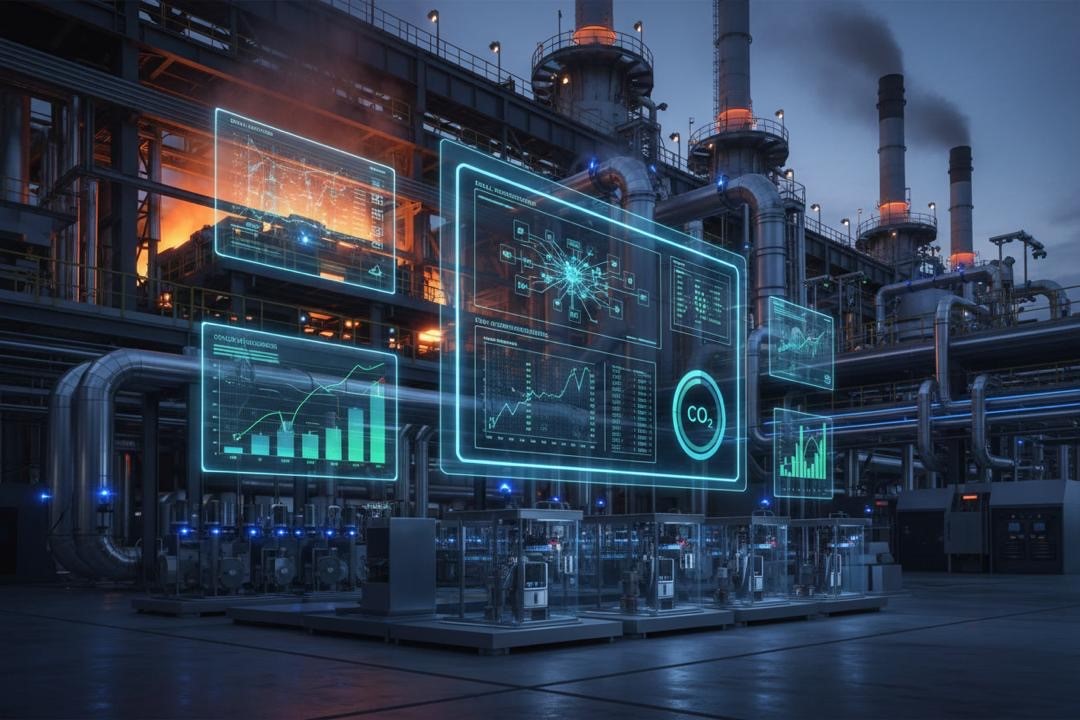
No more waiting for quarterly reports. Live dashboards show emissions as they happen, enabling faster decisions.
3. Detection of Hidden Emissions
AI spots inefficiencies and unusual patterns that manual tracking often misses, especially in Scope 3 emissions.
4. Predictive Reduction Pathways
Forecast future emissions based on production, energy use, and supply chain changes—plan smarter, act faster.
5. Streamlined Compliance Reporting
Automated reporting aligned with GHG Protocol, CSRD, and ISO standards saves time and ensures accuracy.
Why Steel Companies Benefit the Most
The steel sector is energy-intensive and heavily regulated. AI helps companies:
• Optimize furnace energy use
• Improve scrap management
• Evaluate low-carbon sourcing
• Monitor CCUS integration
• Reduce operational inefficiencies
By turning data into actionable insights, AI accelerates the pathway to low-carbon steel production.
Conclusion
AI-driven carbon accounting isn’t just a trend—it’s a strategic requirement. Faster insights, higher accuracy, and automated reporting give companies a competitive edge while moving closer to decarbonization goals.
Invest in AI today, lead the next generation of low-carbon innovation.